19 May, 2026
New strongholds for wader recovery proposed
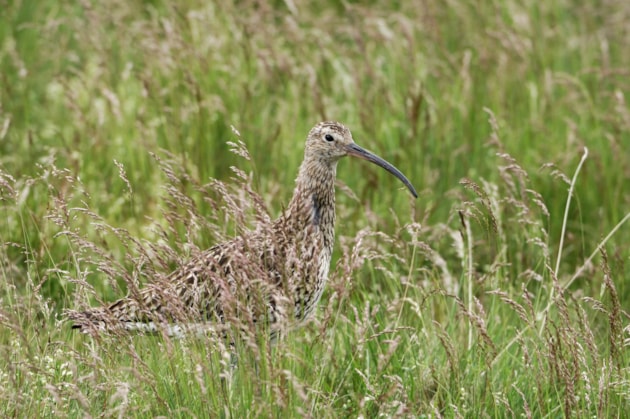
Work is underway on a new approach to help save Scotland’s threatened wading birds.
To mark this year’s Wader Week (18-24 May), NatureScot and partners in the Working for Waders initiative are consulting farmers, gamekeepers and other conservationists on 14 proposed Wader Recovery Areas.
The areas, which stretch from Shetland to the Central Belt, have been identified as hotspots for wader recovery – key landscapes where populations are healthy and where conditions are suitable for supporting multiple wader species.
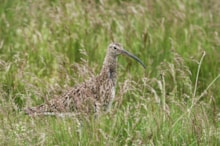
Scotland holds internationally important populations of some breeding waders, like the Eurasian curlew, but almost all species are in serious decline.
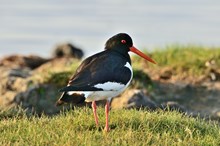
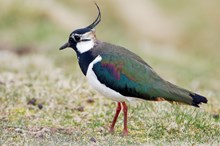
Curlew numbers crashed by 62% between 1995 and 2024, while the decline in lapwings and oystercatchers is 63% and 41% respectively.
The aim of Wader Recovery Areas, each of which would cover thousands of hectares of suitable habitat, will be to concentrate efforts and resources in those parts of Scotland where waders can do well and where targeted conservation action can make the most difference.
Waders are under pressure because of the loss of their breeding habitats due to factors including the intensification of agriculture and a rise in woodland planting. These birds like to nest in open habitats such as moorland or agricultural grasslands, which can make them vulnerable to destruction by livestock or machinery. Waders can be directly displaced by forestry, and will also avoid areas around woodlands, often up to hundreds of metres away.
Increased predation on wader eggs and chicks from rising numbers of predators is also having a significant impact. Where wading birds do still attempt to breed, often they raise too few young to maintain populations.
Patrick Laurie, Working for Waders project coordinator, has been travelling around the country speaking with farmers, gamekeepers and other conservationists in these areas to get a clearer picture of how things look on the ground. Discussions are focussing on what work is already underway to help protect waders, what more can be done and what support is required.
Patrick said: “Wherever they’re found, species like lapwings, curlews and redshank are loved and admired, but they face a range of issues depending on where they are.
“Predation is an issue for waders in Lanarkshire, but fewer ground predators are present on islands like Islay, where weather conditions and climate change may be more significant threats. In Angus and Lanarkshire, forest expansion is a major concern for waders, but the same cannot be said of areas like Orkney and Shetland. There are no easy answers, but the Wader Recovery Area approach allows us to focus on the detail and deliver real change.”
NatureScot Ornithologist Dave Parish said: “Waders are some of our most wonderful and celebrated birds, but they are suffering steep declines. All the ‘big five’ farmland waders - curlew, lapwing, oystercatcher, redshank and golden plover - have been lost from historical parts of their breeding range in Scotland.
“Sadly, we probably do have to recognise that the days of every suitable farm having a few wader pairs might be a thing of the past, but with this new approach we hope to put the brakes on the overall decline that we are seeing in Scotland. We want to work with partners, farmers and land managers in these areas to see what more we can do together to help these much-loved species.”
Anyone who would like to find out more about the proposed Wader Recovery Areas can contact: dave.parish@nature.scot.
ENDS
Contact information
- Name
- NatureScot Media
- Telephone
- 0131 316 2655
- media@nature.scot
NatureScot is Scotland's nature agency. Responding to the twin crises of biodiversity loss and climate change, we work to protect and restore nature by inspiring everyone to value our natural world. Our goal is a nature-rich, net-zero future for Scotland. For more information, visit our website at www.nature.scot
'S e buidheann nàdair na h-Alba a th’ ann an NàdarAlba. Bidh sinn a’ gleidheadh agus a’ slànachadh nàdar le bhith a’ brosnachadh a h-uile duine gu spèis a chur air an t-saoghal nàdarra againn, agus sinn a’ freagairt air an dà chùis-èiginn de chall bith-iomadachd ’s atharrachadh na gnàth-shìde. ’S e ar n-amas nàdar beairteach ’s cothromachadh carboin do dh’Alba. Airson an tuilleadh fiosrachaidh, thoiribh sùil air an làraich-lìn againn aig www.nature.scot